The Wilds has a long and fascinating history.
- Indigenous people once called this land home and built burial mounds to honor their loved ones.
- Early settlers farmed the land, with many descendants of those families remaining in the area today.
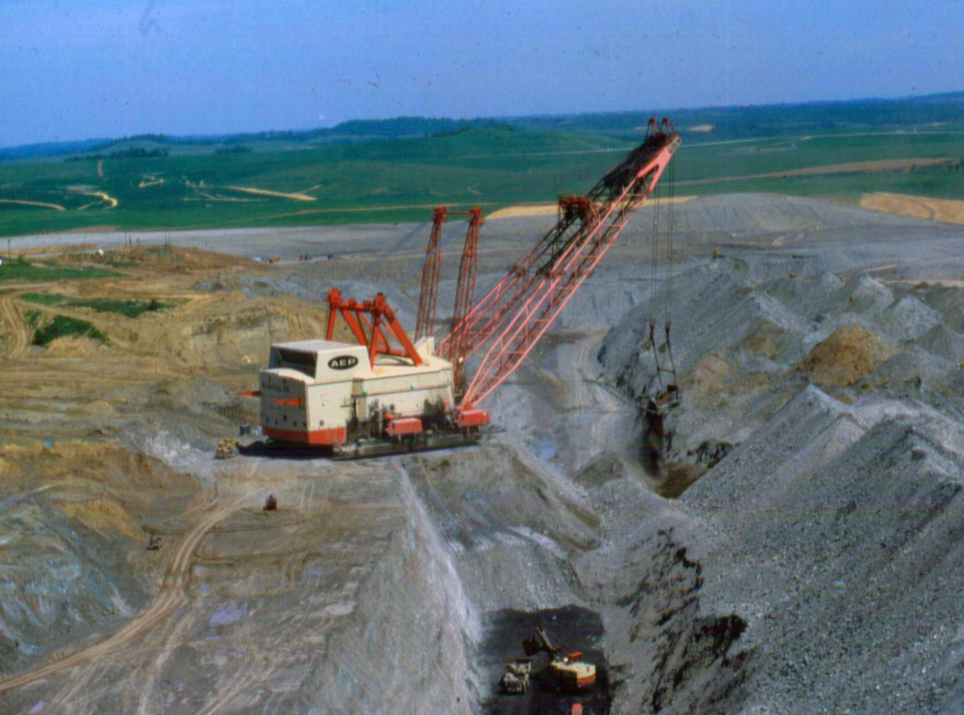
- In the late 20th century, the area was surface-mined for coal.
Each phase tells the story of the land and the people who call this community home. Continue to scroll to see the remarkable timeline of The Wilds!
Then
A former surface coal mine covering nearly 10,000 acres.
Now
A conservation center where endangered species, restored habitats, and scientific research work together.
Tomorrow
A future built on protecting wildlife, restoring ecosystems, and inspiring the next generation of conservationists.
The Wild History of The Wilds: From Reclaimed Mine Land to Global Conservation Leader
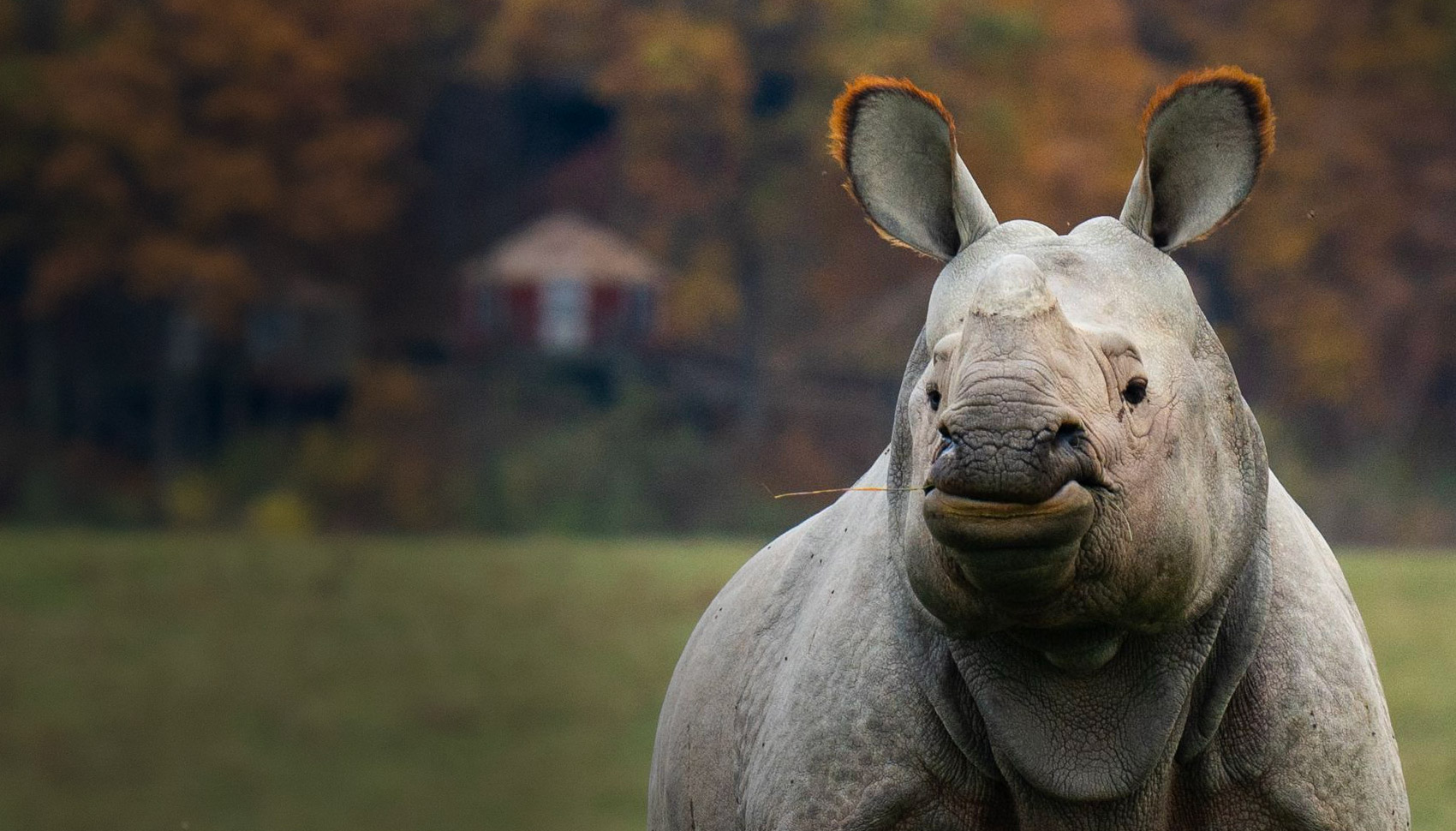
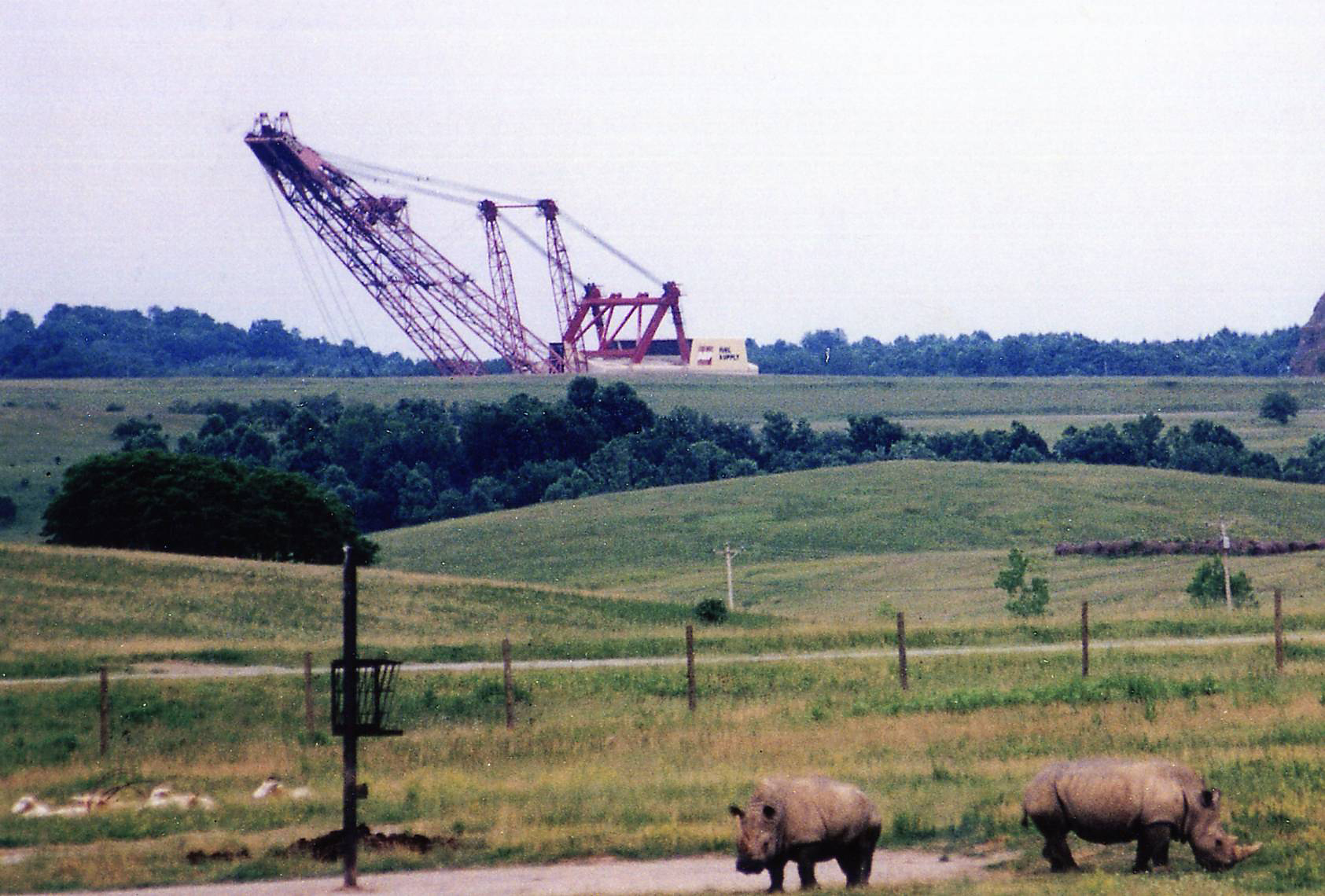
If you've ever watched rhinos grazing across rolling grasslands, spotted a herd of bison stretching toward the horizon, or climbed aboard an Open-Air Safari at The Wilds, you've experienced a place unlike anywhere else.
What many visitors don't realize is that this remarkable landscape tells a story that began long before the first safari rolled across the hills.
The story of The Wilds is one of vision, restoration, and possibility. It's the story of how thousands of acres of former coal mine became one of the largest and most respected conservation centers in North America.
A Landscape Ready for a New Beginning
Long before wildlife returned to these hills, the land served a very different purpose.
From the 1940s through the 1980s, the property that is now The Wilds was actively mined for coal. Like much of southeastern Ohio, the landscape reflected an industry that powered communities across the region.
Everything began to change in 1971, when the Federal Reclamation Act required mined land to be restored through contouring, replacing topsoil, and planting vegetation to reduce erosion. Those efforts helped prepare the landscape for an entirely new future.
Around that same time, leaders across Ohio were imagining new ways to celebrate the state's natural resources and cultural destinations. In the mid-1970s, the Ohio Zoological Commission began developing a plan for how Ohio could support its zoological and cultural organizations.
By the late 1970s, a bold idea had emerged: What if reclaimed mine land could become a place where wildlife could thrive?
The vision brought together the Ohio Departments of Natural Resources and Development, Ohio's zoos, and private industry in an ambitious public-private partnership. At the time, few people could have imagined where that idea would lead.
Building a Dream
In 1984, that vision officially became reality when The International Center for Preservation of Wild Animals, Inc. (ICPWA), doing business as The Wilds, was incorporated as a nonprofit organization.
That same year, ICPWA received an extraordinary gift: approximately 9,154 acres from the Central Ohio Coal Company, a subsidiary of American Electric Power.
With a home established, the work could begin.
Over the next several years, teams transformed reclaimed mine land into expansive wildlife habitats. Infrastructure took shape alongside the conservation mission, including the completion of the Johnson Visitor Center in 1989. Ahead of its time, the building incorporated geothermal heating, reflecting an early commitment to sustainability.
Just a few years later, another chapter in southeastern Ohio's mining history came to a close. In 1991, the legendary Big Muskie completed its final cut just east of what would become The Wilds.
The landscape was changing once again.
Wildlife Arrives
The first animals arrived before the first visitors.
In 1992, endangered Przewalski's wild horses became the first species released into The Wilds' expansive pastures, marking the beginning of a conservation mission centered on providing space for wildlife to flourish.
Two years later, in 1994, The Wilds officially opened for public tours.
Visitors quickly discovered this wasn't a traditional zoo experience. Instead of walking from exhibit to exhibit, guests traveled through thousands of acres where wildlife could roam across large conservation pastures.
Recognition soon followed.
The Wilds earned accreditation from the Association of Zoos and Aquariums (AZA) in 1996, affirming its commitment to the highest standards of animal care and conservation.
As interest continued to grow, so did opportunities for guests. Day and overnight education camps debuted in 1997, followed by the opening of the Overlook Café and gift shop in 1998. In 2000, the Robert W. Teater Conservation Education Camp welcomed students from across the region, helping inspire the next generation of conservationists.
Conservation Finds New Momentum
A new chapter began in 2001 when The Wilds partnered with the Columbus Zoo.
The partnership strengthened conservation efforts, expanded scientific collaboration, and created new opportunities for guest experiences that continue today.
As conservation programs grew, so did the campus.
The Lodge welcomed its first overnight guests in 2002. The Lake Trail opened in 2004, offering visitors another way to explore the landscape.
Behind the scenes, conservation programs expanded rapidly. The American Burying Beetle Facility was constructed in 2005, followed by the Carnivore Conservation Center in 2007.
By 2009, guests could spend the night at Nomad Ridge, where luxury yurts offered unforgettable views of the conservation pastures. That same year, The Wilds celebrated an international conservation milestone with the birth of the first recorded fourth-generation southern white rhino born in human care.
Innovation continued in 2010 with the opening of the Conservation Science Training Center. Persian onagers born that year also represented another global achievement as the first wild equids ever produced through artificial insemination.
Adventure Meets Conservation
The next decade transformed the guest experience while expanding conservation efforts.
Beginning in 2011, visitors could experience The Wilds in entirely new ways through zipline adventures, horseback tours, and fishing excursions.
The Hellbender Conservation Center opened in 2013, strengthening efforts to recover one of Ohio's most iconic native amphibians.
Conservation milestones continued almost every year.
In 2014, The Wilds celebrated the first birth of a fifth-generation white rhino outside Africa while introducing Sunset Tours and Wildside Tours.
Construction began on an expanded rhino facility in 2015, the same year The Wilds launched a veterinary residency partnership with The Ohio State University and the Columbus Zoo.
The following year brought another remarkable achievement with the opening of the world's largest rhino herd barn. The Wilds also welcomed its first litter of African painted dog pups.
In 2017, construction began on the Straker Lake cabins, four white rhino calves were born, and a banteng calf was successfully produced through artificial insemination. During the same year, The Wilds also received multiple honors from the State of Ohio and the Association of Zoos and Aquariums.
Momentum continued in 2018 with the birth of the first litter of dhole pups, the opening of the Straker Lake cabins, and the inaugural Conservation Science Symposium at Muskingum University.
By 2019, a new attendance record had been set, with over 121,800 guests visiting The Wilds.
Still Making History
The vision that began in the late 1970s continues to grow with every passing year.
Today, The Wilds is recognized as a global leader in wildlife conservation, bringing together animal care, scientific research, habitat restoration, education, and unforgettable guest experiences on a landscape that once looked very different.
Conservation milestones continue to shape the story.
In recent years, The Wilds has celebrated the births of southern white rhinos, Masai giraffes, Grevy's zebras, and other species that contribute to carefully managed conservation breeding programs. Native Ohio wildlife is also benefiting from decades of dedicated work. In 2025 alone, conservation teams released 116 eastern hellbenders into their native streams, helping strengthen populations of one of the state's rarest amphibians.
The Wilds' impact extends well beyond Ohio.
Also in 2025, over 100 American bison born and raised at The Wilds were transferred to Tribal lands, supporting the restoration of both an iconic species and its cultural significance across North America. It is one example of how conservation partnerships can create lasting impacts far beyond the boundaries of a single property.
Inspiring the next generation remains just as important as protecting wildlife. During 2025, The Wilds delivered 316 education programs, connecting thousands of learners with conservation through hands-on experiences, field trips, camps, and immersive programs that encourage curiosity about the natural world.
Every safari, every conservation project, every research study, and every educational experience reflects the same bold vision that first took shape over 40 years ago.
The landscape has been transformed. Wildlife has returned. Conservation is making a difference.
And the story of The Wilds is still being written.
A History of Surface Mining Before Wildlife Conservation
The Wilds opened to the public in 1994 and sits on nearly 10,000 acres of reclaimed, surface-mined land in the beautiful Muskingum County. Thanks to the vision of community leaders in the 1970s, this once coal-mined land in southeast Ohio has been transformed into one of the world's largest and innovative conservation centers, with a mission to advance conservation through science, education, and personal experience.
10,000 Acres is an interactive documentary that tells the story of The Wilds' transformation into what it is today.